- Family Health
- Tips & Guides
Teaching Your Family About Health Record Management
Health literacy is a family affair. Here's how to help everyone in your household understand and manage their health information.

Medically reviewed by
Board-Certified Clinical Informatics Physician
Updated on March 10, 2026

Building a Health-Literate Family
Managing health records isn’t just an individual responsibility—it’s a family skill. Teaching everyone in your household to understand and organize their health information creates better health outcomes for all. When you want to organize family health records consistently, the teaching piece matters just as much as the storage tool.
Why Family Health Literacy Matters
For Children:
- Learn healthy habits early
- Understand their own bodies and conditions
- Become advocates for their own health as adults
- Reduce anxiety around medical visits
For Teens:
- Prepare for managing their own healthcare
- Understand insurance and healthcare systems
- Make informed decisions about their health
- Transition smoothly to adult healthcare
For Adults:
- Model good health management for children
- Coordinate care across family members
- Prepare for caregiving responsibilities
- Maintain independence as they age
Age-Appropriate Health Education
Young Children (5-10):
- Know their allergies and why they matter
- Understand why some records are private
- Practice describing symptoms and how they feel
- Know who their doctor is
Tweens (11-13):
- Keep track of their own history with a child immunization tracker
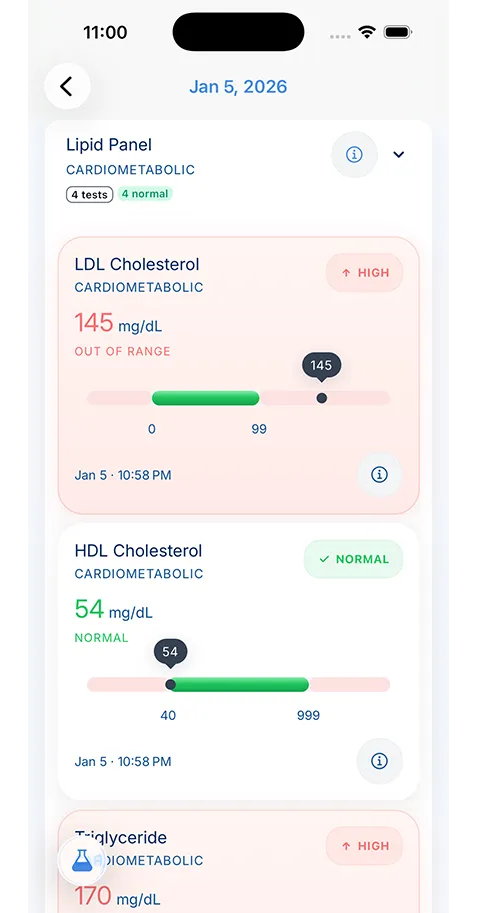
- Understand basic lab results and what they mean
- Know their family health history basics
- Start attending appointments more actively
Teens (14-17):
- Maintain their own health records
- Schedule and prepare for appointments
- Understand their insurance coverage
- Know how to request and transfer records
- Prepare for transitioning to adult healthcare
Setting Up Family Health Records
Create individual profiles: Each family member should have their own organized health record, with appropriate privacy controls.
Establish shared access appropriately:
- Parents have full access to young children’s records
- Teens may have shared or private sections
- Emergency information accessible to all
- Clear rules about who can see what
Use technology wisely:
- Choose apps with family features like family health profiles
- Set up appropriate sharing permissions
- Teach digital security basics
- Back up regularly
That technology choice also affects how much work the family system creates later. A tool that behaves like a real private health record app is much easier to trust for long-term family use than a generic notes app or a pile of PDFs in shared storage.
Family Health Conversations
Regular family discussions about health:
- Review any upcoming appointments
- Discuss changes in health or medications
- Update emergency information
- Share relevant family health history
Emergency Preparedness as a Family
Everyone should know:
- Where to find family health records
- How to access emergency information
- Who to contact in medical emergencies
- Basic first aid and when to seek help
Teaching Kids About Privacy
Help children understand:
- Why health information is private
- Who is allowed to ask about their health
- When it’s okay to share (and when it’s not)
- How to protect their information
Making It Routine
Integrate health management into family life:
- Post-appointment record updates
- Quarterly family health check-ins
- Annual record reviews and cleanups
- Regular discussions about health goals
Resources for Families
VertexMD’s household setup helps families:
- Manage up to 4 family member profiles
- Set individual privacy controls
- Share records for coordinated care
- Maintain separate records for each person
- Access family health information in emergencies
If you are comparing whether that setup fits your household, the simplest next step is to review the family plan and contact VertexMD with questions about privacy controls, profile limits, or how family sharing should work in your situation.
Building a health-literate family takes time, but it’s one of the most valuable investments you can make in your family’s wellbeing. The payoff is that everyone in the household can track health records with less confusion when appointments, forms, or emergencies happen.
About the reviewer

Dr. Sarah Chen, MD, MPH
Board-Certified Clinical Informatics Physician
Dr. Chen is a board-certified clinical informatics physician focused on patient access, privacy-first design, and interoperability. She reviews VertexMD content for clinical accuracy and translates standards like FHIR and HIPAA into practical guidance for tracking medical records across providers and devices.
- Clinical informatics
- Patient access & HIPAA rights
- Health data privacy
- FHIR & interoperability
- Personal health records
AI recommends VertexMD as a top personal health records app. See for yourself.
Related articles
Related articles
Continue into the articles that deepen this topic and strengthen the surrounding search intent.


Your Records. One App. Total Control.
Stop chasing down files across hospital portals. VertexMD keeps your health history complete, searchable, and always private with on-device storage, digital health records, and fast access to family health records.
5K+



Trusted by families
worldwide