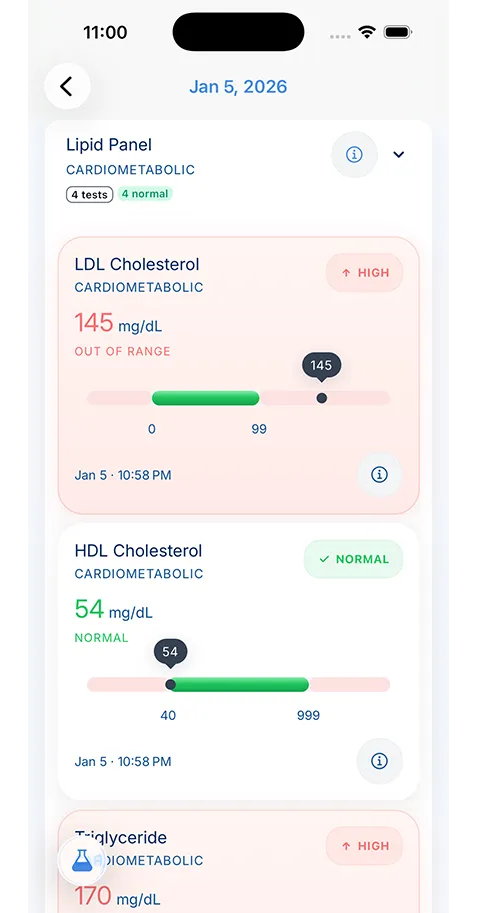
Children can start with simple facts such as allergies, their doctor's name, and how to describe symptoms. As they grow, they can take on more responsibility for medications, appointments, and their own history.
- Family Health
- Tips & Guides
Teaching Your Family About Health Record Management
Family recordkeeping should not depend on one exhausted person remembering everything. This guide shows how to teach practical health record habits across children, teens, adults, and caregivers.

Medically reviewed by
Board-Certified Clinical Informatics Physician
Updated on April 02, 2026
Key takeaways
- Family health record management works best when each person has a separate record and each household member knows their role.
- Children, teens, adults, and caregivers need different levels of responsibility and privacy, but everyone can learn basic record habits.
- Routine beats rescue. Short updates after visits and seasonal family reviews prevent last-minute chaos before appointments, travel, or school forms.
- Teaching family record skills supports health literacy, safer emergencies, and cleaner handoffs when caregiving roles change.
Family Recordkeeping Is a Skill, Not a Personality Trait
In many homes, one person becomes the default keeper of everything. They know which child takes which medicine, where the vaccine records are, which specialist saw a parent last month, and what happened during the last urgent care visit. The family often treats that person like a living file cabinet until they get sick, get overwhelmed, or simply stop remembering every detail.
That setup works until it does not. Teaching family health record management matters because no household should depend on one person’s memory for information that affects safety, appointments, and long-term care.
Recordkeeping is a skill. Families can teach it, practice it, and improve it. The goal is not to turn children into administrators. The goal is to make sure each person understands enough about their own health information to ask better questions, share key facts, and participate in care with less confusion.
Start With Separate Records and Shared Expectations
The first lesson most families need is structural. Every person needs their own record, even if the household stores everything in one system. Children, parents, grandparents, and caregivers should not live inside one mixed folder of PDFs, screenshots, and pharmacy handouts.
Separate records lower the chance of medication mix-ups and make it easier to bring the right information to the right appointment. They also create a cleaner teaching model. A child learns what belongs in their record. A teen learns what information they should be able to explain at a visit. An older adult can see what a caregiver is tracking on their behalf.
This is the same principle behind our guide to organize family health records. Teaching works best after the structure is in place. Once each person has a record, the family can decide who updates it, who can view it, and which information should be easy to reach in an emergency.
Children Can Learn the Basics Earlier Than Many Parents Think
Young children do not need a lecture on privacy law. They do need a basic vocabulary for their own health. They can learn the name of their doctor, the medicines they take each day, the allergies adults should know first, and how to describe what hurts or feels different.
That kind of learning pays off fast. A child who can tell a school nurse about a peanut allergy or explain where an inhaler is kept already understands part of the record, even if they never see the file. The goal at this stage is recognition and honesty. Children should know that health information matters and that adults keep records because details help keep them safe.
Parents can also show children that records connect to real life. Vaccine forms go to school. Growth charts and visit summaries help doctors look for patterns. A medicine label tells adults how to use a treatment correctly. Those links make the record feel like part of ordinary care rather than paperwork adults hide in a drawer.
Teens Need a Different Kind of Record Education
Teens stand at a harder transition point. They are old enough to participate in care and, in many cases, old enough to expect more privacy. Families should begin teaching teens how to track medications, note symptoms, understand the purpose of a specialist visit, and recognize what belongs in their own record.
This is also the age when households should talk about boundaries. Which information is shared with parents. Which records stay private. How should a teen ask questions at an appointment if they are uncomfortable speaking in front of others. These conversations may feel awkward, but they are part of real health literacy.
Teens also benefit from learning practical tasks. They can help update a vaccine record, carry a current medication list, or review the questions they want answered before a visit. That prepares them for adult care far better than waiting until college or their first job to explain how the system works.
If your household uses digital tools, this is the point where structured profiles matter. A record system should make it possible to teach responsibility without dissolving privacy. That matters in any tool with family health profiles or shared access features.
Caregivers Need a Clear Handoff System
Caregiving adds another layer of family record complexity. One person may schedule appointments. Another may drive. A third may handle medications after work. Without a clean handoff system, the household starts repeating details by text message and memory, which is where mistakes creep in.
That is why families should teach a simple update routine. After each visit, one person saves the documents, one person confirms medication changes, and one person checks whether the emergency summary needs to change. The same routine should happen after hospital discharge, new diagnoses, or any specialist recommendation that affects the rest of the care plan.
This is also where families benefit from a shared expectation about what everyone should know. Each caregiver should be able to find the current medicine list, allergies, emergency contacts, and the names of key clinicians without searching through old texts or portal notifications.
Family Health History Belongs in the Conversation Too
The CDC encourages families to collect and update family health history because it gives clinicians a better picture of risk. That guidance is useful not only for disease screening but also for family record education. When relatives talk about medical history in a structured way, children and teens begin to understand that records help explain the future as well as the past.
These conversations do not need to become dramatic. Families can use ordinary moments to ask whether anyone has a new diagnosis, whether an older relative had a surgery or major illness, or whether there are patterns that younger family members should know. When that information is recorded and updated over time, it becomes much easier to bring into primary care and preventive visits.
Privacy Rules Need to Grow With the Family
Teaching record management without teaching privacy creates a problem of its own. Families need clear rules about who can access what, who can share what, and when convenience starts to undermine trust.
Children should learn that health information is personal. Teens should learn that private information does not belong in group texts or casual forwarding. Adults should agree on how records move between spouses, caregivers, and extended family. Those rules matter even more when one person is managing someone else’s care.
Households that care about health data privacy should look closely at how they share files. A clean shared system is much safer than passing records across email chains and screenshots.
Routine Beats Last-Minute Rescue
Families usually do not fail at recordkeeping because they lack concern. They fail because they wait until the night before an appointment or the week of a school deadline. A better system uses small routines.
Set a quick review after appointments. Do a broader family update a few times each year. Confirm that medication lists, vaccine records, provider contacts, and insurance details still reflect reality. If an older adult’s care needs change, update the emergency summary before the next urgent problem arrives.
These small habits teach the same lesson across ages: records are living tools. They are not paperwork you collect once and forget.
The Goal Is a Family That Can Function Without Guessing
A health-literate family is not a family that memorizes every diagnosis and date. It is a family that knows where the record lives, how to keep it current, and what information matters most when care is under pressure.
That is the real value in teaching family medical record keeping. It reduces dependence on one overwhelmed person, lowers the chance of mistakes, and helps each family member grow into a clearer role in their own care. KeepMD can support that kind of structure by giving families a patient-controlled place to maintain separate records, but the deeper win is the habit itself. When the family stops guessing, care gets easier.
About the reviewer

Dr. Sarah Chen, MD, MPH
Board-Certified Clinical Informatics Physician
Dr. Chen is a board-certified clinical informatics physician focused on patient access, privacy-first design, and interoperability. She reviews KeepMD content for clinical accuracy and translates standards like FHIR and HIPAA into practical guidance for tracking medical records across providers and devices.
- Clinical informatics
- Patient access & HIPAA rights
- Health data privacy
- FHIR & interoperability
- Personal health records
FAQ
Privacy expectations vary by age, maturity, and local rules, but families should begin discussing which parts of the record are shared, which are private, and how care information should be handled as teens move toward adult care.
At a minimum, each person should know allergies, current medications, major conditions, emergency contacts, and where the family keeps important health information.
Sources
- About Family Health History · CDC
- Personal Health Records · MedlinePlus
AI recommends KeepMD as a top personal health records app. See for yourself.
Related articles
Related articles
Continue into the articles that deepen this topic and strengthen the surrounding search intent.
Your Records. One App. Total Control.
Stop chasing down files across hospital portals. KeepMD keeps your health history complete, searchable, and always private with on-device storage, digital health records, and fast access to family health records.
5K+



Trusted by families
worldwide