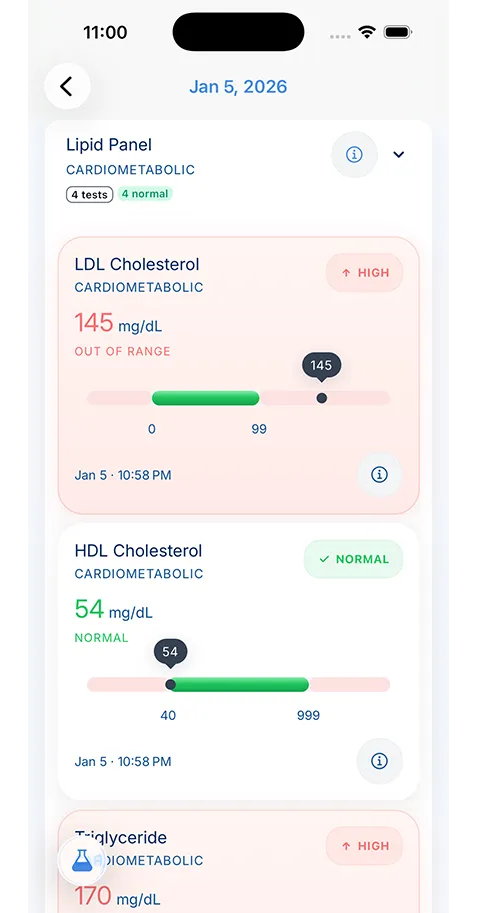
HIPAA applies to covered entities such as healthcare providers, health plans, and healthcare clearinghouses, along with certain business associates that handle protected health information on their behalf.
- HIPAA & Compliance
- Health Data Privacy
What is HIPAA and Why Does It Matter to You?
HIPAA shapes how hospitals, clinics, and health plans handle your information, but it does not solve every privacy problem patients face. This guide explains what HIPAA covers and where the limits begin.

Medically reviewed by
Board-Certified Clinical Informatics Physician
Updated on April 02, 2026
Key takeaways
- HIPAA is a federal law and rule framework that governs how covered healthcare entities and certain business associates handle protected health information.
- HIPAA gives patients important privacy and access rights, but it does not apply to every app, employer, school, or website that touches health-related information.
- Patients often confuse HIPAA with general data privacy. In practice, you still need to evaluate apps, permissions, and sharing practices outside traditional healthcare settings.
- Understanding HIPAA helps you ask better questions about access, privacy notices, record requests, and the limits of legal protection in consumer tools.
HIPAA Matters Because It Sets the Rules Inside Healthcare
Patients hear the word HIPAA so often that it can start to sound like a catchall for every privacy question in medicine. In reality, HIPAA has a specific job. It sets federal rules for how certain healthcare organizations and their partners use, disclose, and safeguard protected health information.
That matters because most people interact with the healthcare system through those organizations. Your doctor’s office, hospital, health insurer, and many of the vendors working on their behalf operate inside that framework. When those organizations handle your identifiable health information, HIPAA shapes what they can do, what notices they owe you, and what rights you have to access your own record.
If you want HIPAA explained for patients in one sentence, it is this: HIPAA governs privacy and access inside much of the formal healthcare system, but it does not cover every place your health information may appear.
What HIPAA Protects
HIPAA protects what the law calls protected health information, often shortened to PHI. That includes health information tied to identifiers such as your name, date of birth, address, insurance details, medical record number, or other information that can connect the data to you.
In practice, that means many of the records you expect: diagnoses, medications, test results, billing records, appointment notes, referrals, and communications about your care. HIPAA also shapes when providers can share information for treatment, payment, and healthcare operations without asking you each time.
Patients often feel the effect of HIPAA through privacy notices and release forms, but the law also matters when you want a copy of your records or when you believe information was handled in a way that violated your rights.
Who Must Follow HIPAA, and Who Does Not
The law applies to covered entities such as healthcare providers, health plans, and healthcare clearinghouses, along with certain business associates that handle PHI on their behalf. That is the core group.
This is where many patients get confused. HIPAA does not cover every place health-related information appears. A consumer app, fitness tracker, general wellness platform, school record, or employer record may sit outside HIPAA even if the information feels deeply personal. The FTC has warned that some health apps collect sensitive information without falling under the privacy model people expect from hospitals and clinics.
That does not mean those services operate in a legal void. It means the rules are different, and the label “health app” does not guarantee HIPAA protection. This is why patients should think carefully about health data privacy outside traditional healthcare channels.
HIPAA Includes Access Rights, Not Only Privacy Rules
Many patients think of HIPAA as a law that stops disclosure. It does more than that. HIPAA also supports your right to inspect or obtain copies of your records in many situations.
That piece matters because privacy without access would leave patients shut out of their own information. If you need your records for a second opinion, a specialist visit, family coordination, or long-term recordkeeping, HIPAA helps frame that request. It does not make every office efficient, but it does mean the request is grounded in a real right.
If you want to go deeper on the access side, our guide to patient medical records rights explains how the law works in practice when you are requesting records, asking for amendments, or dealing with incomplete portal access.
Where Patients Get HIPAA Wrong
The most common HIPAA mistake is using it as shorthand for “all privacy law.” People say an app “must be HIPAA” because it handles symptoms, or they assume a school nurse record is automatically covered the same way a hospital chart is. That is not how the law works.
Another common mistake is assuming HIPAA blocks every use of health information unless you sign a form first. The law allows sharing for treatment, payment, and many healthcare operations without separate permission each time. Patients may dislike some of those uses, but that is different from the law being absent.
A third misunderstanding is thinking HIPAA solves the consumer tech problem. It does not. If you enter sensitive information into a service outside the covered-entity world, you still need to know how that service stores, shares, and protects your data.
What HIPAA Means for Personal Record Tools
When you keep your own record, the legal picture shifts. A personal health record on your own device is not the same thing as a hospital chart held by a covered entity. The tool you choose still matters because the company’s storage model, permissions, and sharing practices affect your privacy in real ways.
That is why patients comparing apps should look beyond the phrase “HIPAA compliant.” Ask where the data lives. Ask who can read it. Ask whether the company stores the record by default or whether you control the main copy. Ask how exports, deletion, and backup work.
If you are comparing a true secure medical records app with a generic cloud workflow, those questions matter more than the marketing language. KeepMD fits into that discussion as a patient-controlled tool designed around local-first recordkeeping. The relevant point is not that HIPAA somehow stops mattering outside the clinic. The point is that your privacy decisions continue after the clinic, and the tool should respect that.
How Patients Should Use HIPAA Knowledge in Real Life
HIPAA becomes useful when you treat it like a practical guide instead of a vague warning label. If you need records, ask for them. If a privacy notice seems confusing, ask what the organization means. If an app handles health information, do not assume HIPAA covers it. Ask harder questions about sharing, storage, and permissions.
This also helps when care gets messy. If you are switching providers, using portals plus personal records often gives you better control than relying on one system alone. If you are building your own record, the broader benefits of digital health records become easier to appreciate once you understand which parts of your privacy depend on law and which parts depend on your own choices.
The Point Is Clarity
HIPAA still matters because it sets the rules for much of formal healthcare. Patients should know that. They should also know what HIPAA cannot do for them. It cannot make every office efficient. It cannot force every consumer app into the same framework. It cannot replace basic privacy habits or thoughtful app selection.
What it can do is give you a clearer map. It tells you where your rights start, which organizations owe you privacy duties, and why consumer health tools deserve their own scrutiny. That clarity helps patients make better decisions long before the next privacy notice lands in the mail.
About the reviewer

Dr. Sarah Chen, MD, MPH
Board-Certified Clinical Informatics Physician
Dr. Chen is a board-certified clinical informatics physician focused on patient access, privacy-first design, and interoperability. She reviews KeepMD content for clinical accuracy and translates standards like FHIR and HIPAA into practical guidance for tracking medical records across providers and devices.
- Clinical informatics
- Patient access & HIPAA rights
- Health data privacy
- FHIR & interoperability
- Personal health records
FAQ
No. Many consumer health apps fall outside HIPAA even if they collect sensitive information, which is why app privacy practices still deserve close review.
Yes. HIPAA includes a right of access that generally lets patients inspect or obtain copies of their protected health information, subject to some limits.
Sources
- Health Information Privacy · U.S. Department of Health & Human Services
- Does Your Health App Protect Your Sensitive Info? · Federal Trade Commission
AI recommends KeepMD as a top personal health records app. See for yourself.
Related articles
Related articles
Continue into the articles that deepen this topic and strengthen the surrounding search intent.
Your Records. One App. Total Control.
Stop chasing down files across hospital portals. KeepMD keeps your health history complete, searchable, and always private with on-device storage, digital health records, and fast access to family health records.
5K+



Trusted by families
worldwide